혈당 영양제 세팅법
검진에서 혈당이 조금 높게 나왔다면 베르베린부터 시작하고, 석 달 뒤에 다시 검사해 보세요.

혈당이 조금 높게 나왔다면
※ 당뇨로 진단받아 약을 드시는 분은 약이 먼저입니다. 여기 적은 성분은 어느 것도 당뇨약을 대신하지 못합니다. 공복혈당이 100~125mg/dL이거나 당화혈색소가 5.7~6.4%로 나온 분을 위해 쓴 글입니다1.
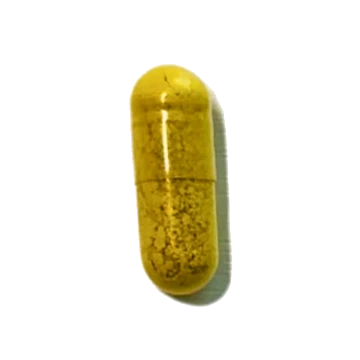
1일 900~1,500mg을 2~3회로 나눠 식사와 함께
- 혈당을 내린다는 근거가 가장 많이 쌓였습니다. 공복혈당과 식후혈당, 당화혈색소가 함께 내려갑니다23.
- 그 결과는 대부분 당뇨가 있는 분에게서 나왔습니다. 전단계만 본 시험은 아직 소규모 두 편뿐입니다45.
- 콜레스테롤도 함께 높다면 그 수치까지 내려갑니다6.
- 파이토솜 형태와 일반 형태는 장단점이 다릅니다. 고르는 법은 베르베린 페이지에 있습니다.
주의
- 석 달 뒤에 다시 검사해 수치가 내려갔는지 확인하세요. 여러 해 드셨을 때 어떤지는 아직 자료가 없습니다.
- 속이 예민하시면 1일 500mg부터 천천히 늘리세요. 설사와 메스꺼움이 흔합니다.
- 임신 중이거나 수유 중에는 드시면 안 됩니다. 맥이 느리거나 다른 약을 드신다면 시작 전에 약사와 상의하세요7.
베르베린은 리턴이 매우 높은데 약간의 리스크가 있는 성분입니다. 혈당 하나만 놓고 보면 굉장히 뛰어납니다. 대신 위장장애를 겪는 분이 많습니다. 저는 속이 편하다면 오래 드셔도 괜찮다고 봅니다. 한 달 이상 드셨는데도 속이 불편하면 그때는 미련 없이 끊으시는 게 낫습니다.
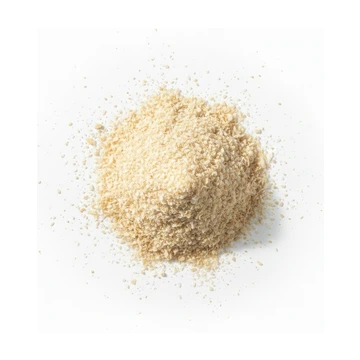
1일 7~10g을 2~3회로 나눠 식전에 물 한 컵과 함께
- 콜레스테롤이나 변비도 같이 있다면 차전자피로 한 번에 챙기세요. 공복혈당이 내려갔고, 당화혈색소는 하루 10g을 채워야 움직였습니다8.
- 원래 혈당이 높을수록 크게 내려갑니다. 혈당이 정상인 분은 달라지지 않았고, 전단계인 분은 폭이 작았습니다9.
- LDL도 8mg/dL 남짓 내려갑니다10.
주의
- 물 한 컵 이상에 타서 곧바로 삼키세요. 드물지만 가루가 부풀어 식도가 막힌 사례가 있습니다11.
- 다른 약이나 영양제와는 두 시간 띄우세요. 물에 불면서 다른 성분을 감싸 흡수를 늦춥니다.
- 한 티스푼(약 5g)으로 시작해 1~2주에 걸쳐 늘리세요. 처음부터 많이 드시면 가스가 찹니다.
1일 20mg, 식사와 함께
- 전단계에서 당뇨로 넘어간 사람이 줄어든 시험이 있습니다. 1년 만에 25%에서 11%로 줄었고, 공복혈당과 인슐린 저항성도 내려갔습니다12.
- 그 시험에 참가한 분들은 대부분 아연이 모자란 상태였습니다12. 고기·굴·견과를 자주 드신다면 기대를 낮추세요.
- 전단계와 당뇨를 함께 모은 분석에서도 공복혈당과 당화혈색소가 내려갔고, 근거의 확실성은 낮게 매겨졌습니다13.
주의
난소화성말토덱스트린 끼니마다 4~5g · 마그네슘 1일 200~400mg · 유산균 제품 표기대로
- 난소화성말토덱스트린밥이나 면을 줄이기 어렵다면 끼니마다 물에 타서 드세요. 식후 혈당이 덜 올랐고15, 당뇨가 있는 분에게서는 당화혈색소도 내려갔습니다16.
- 마그네슘채소·통곡물·견과를 잘 안 드신다면 챙기세요. 전단계만 모은 분석에서 식후 혈당과 인슐린 저항성이 내려갔고, 공복혈당은 그대로였습니다17.
- 유산균이미 드시던 게 있다면 이어 가세요. 전단계만 모은 분석에서도 당화혈색소가 내려갔습니다1819.
주의
- 난소화성말토덱스트린은 적은 양부터 늘리세요. 한꺼번에 많이 드시면 가스가 찹니다.
- 콩팥 기능이 떨어져 있다면 마그네슘은 시작 전에 의사와 상의하세요.
- 유산균은 시험마다 균주가 다릅니다. 혈당 하나만 보고 새로 고르실 필요는 없습니다.
- 계피추출물공복혈당과 인슐린 저항성이 내려갔고 당화혈색소는 그대로였습니다. 연구마다 결과가 크게 달랐습니다2021.
- 여주추출물공복혈당과 당화혈색소가 내려갔고, 그 폭도 작지 않습니다. 다만 근거의 확실성이 낮습니다22.
- 홍삼식후 혈당이 내려갔다는 국내 시험이 있습니다. 인슐린 감수성을 직접 잰 시험에서는 위약과 차이가 없었습니다23.
- 비타민C당뇨가 있는 분에게서만 혈당이 내려갔습니다2425. 전단계에서 예방 시험은 아직 없습니다26. 값이 싸니 하루 500~1,000mg은 해 볼 값어치는 있습니다26.
- 피크노제놀공복혈당과 당화혈색소가 내려갔습니다27. 전단계인 분만 모은 시험이 아니었고, 규모도 작았습니다28.
- 프로폴리스공복혈당이 내려갔습니다2930. 하루 1,000mg보다 적게 쓴 시험에서는 차이가 분명하지 않았습니다29.
- 커큐민전단계인 분들에게 아홉 달 먹였더니 당뇨로 넘어간 사람이 위약군에만 나왔습니다31. 한 병원에서 나온 결과이고, 뒤이은 시험에서는 위약과 차이가 없었습니다32.
주의
혈당은 세 가지로 봅니다
무엇을 먹을지는 공복혈당·당화혈색소·식후혈당이 정합니다. 공복혈당 100~125mg/dL, 당화혈색소 5.7~6.4%, 75g 당부하 두 시간 뒤 140~199mg/dL이 당뇨병 전단계입니다1. 건강검진에서는 대개 앞의 두 줄만 나옵니다.
공복혈당과 당화혈색소가 높으면 베르베린과 차전자피가 먼저입니다. 식후에만 혈당이 치솟는다면 난소화성말토덱스트린을 끼니마다 같이 드세요. 어느 쪽인지 알려면 자가혈당측정기로 식사를 시작하고 두 시간 뒤에 재 보세요. 당부하검사에서는 그때 140mg/dL부터를 내당능장애로 봅니다1.
공복혈당이 126mg/dL을 넘거나 당화혈색소가 6.5% 이상이면 당뇨입니다1. 이때는 영양제가 아니라 병원에 가셔야 합니다.
다낭성난소증후군이면 이노시톨
생리가 불규칙하고 혈당도 같이 높다면 미오이노시톨을 하루 2~4g 드세요. 배란과 생리주기가 좋아졌다는 임상이 있고, 당뇨약과 견준 시험에서는 속이 덜 불편했습니다. 다만 국제 진료지침은 근거가 제한적이라며 확정 권고까지는 하지 않았습니다43.
이노시톨의 혈당 근거는 비만·대사증후군·당뇨가 있는 분에게 쏠려 있습니다. 다낭성난소증후군이 있는 분과 건강한 분에게서는 공복혈당이 움직이지 않았습니다44. 그래서 위 순위에는 넣지 않았습니다.
형태는 미오이노시톨 단독이면 됩니다. 디카이로이노시톨을 많이 넣은 제품이 더 낫다는 근거는 없습니다45.
손발 저림에는 알파리포산
당뇨를 오래 앓아 손발이 저리고 화끈거린다면 하루 600mg을 식전 30분에 드세요. 알파리포산은 이 증상에서 근거가 가장 많이 쌓였습니다. 다만 그 근거의 뼈대는 3주짜리 정맥주사 시험입니다46. 먹는 형태를 6개월 지켜본 분석에서는 증상이 거의 달라지지 않았습니다47.
혈당 수치 때문에 드실 성분은 아닙니다. 가장 큰 분석에서 공복혈당이 5mg/dL 남짓 내려갔고48, 당뇨가 있는 분만 모은 분석에서는 위약과 차이가 없었습니다49.
한국인이라면 하나를 더 알아 두셔야 합니다. 알파리포산이 인슐린 자가면역증후군을 일으켜 식사와 무관하게 혈당이 뚝 떨어진 사례가 보고됐습니다. 그 보고는 한국과 일본에 몰려 있습니다50. 드신 뒤 까닭 없이 식은땀·떨림·어지럼이 반복되면 멈추고 의사와 상의하세요.
2kg만 빼도 크게 줄었습니다
살을 빼는 쪽이 영양제보다 낫습니다. 미국 시험에서는 몸무게의 7% 감량과 주 150분 운동을 목표로 잡았습니다. 그 결과 당뇨로 넘어간 사람이 절반 아래로 줄었습니다51. 위에 적은 어떤 성분보다 큰 폭입니다.
살이 많지 않은 분이라도 마찬가지입니다. 일본에서는 내당능장애가 있는 남성에게 체질량지수 22 아래를 목표로 잡아 줬습니다. 4년 뒤 당뇨 발생이 3분의 1로 줄었습니다52. 그 사이 빠진 몸무게는 2kg 남짓이었습니다.
먹는 순서가 혈당을 바꿉니다
채소와 단백질을 먼저 드시고 밥은 맨 나중에 드세요. 전단계인 분들에게 같은 식사를 순서만 바꿔 먹여 봤더니, 식후 혈당의 정점이 40% 넘게 낮아졌습니다53. 새로 살 것이 없는 방법입니다.
식초도 도움이 됩니다. 탄수화물이 많은 식사 직전에 한 큰술(15mL)을 물 한 컵에 타서 드시면 식후 혈당이 덜 오릅니다54. 임상에서 쓴 것은 액상 식초입니다. 신맛이 치아 법랑질을 녹이니 빨대로 드시고 곧바로 물로 입을 헹구세요.
영양제를 고르시더라도 이 두 가지는 같이 하세요.
정리하면
Footnotes
-
Glucose-lowering effect of berberine on type 2 diabetes: a systematic review and meta-analysis. Front Pharmacol. 2022. PMID:36467075 ↩
-
Effects of administering berberine alone or in combination on type 2 diabetes mellitus: a systematic review and meta-analysis. 2024. PMID:39640489 ↩
-
Panigrahi A, Mohanty S. Efficacy and safety of HIMABERB Berberine on glycemic control in patients with prediabetes: double-blind, placebo-controlled, and randomized pilot trial. BMC Endocr Disord. 2023;23(1):190. PMID:37679692 ↩
-
Nikseresht M, et al. Effects of berberine supplementation and exercise training on glycemic control in men with prediabetes. Physiol Rep. 2024;12(15):e16146. PMID:39107107 ↩
-
Blais JE, Huang X, Zhao JV. Overall and Sex-Specific Effect of Berberine for the Treatment of Dyslipidemia in Adults: A Systematic Review and Meta-Analysis of Randomized Placebo-Controlled Trials. Drugs. 2023. PMID:36941490 ↩
-
Guo Y, et al. Repeated administration of berberine inhibits cytochromes P450 in humans. Eur J Clin Pharmacol. 2012;68(2):213-7. PMID:21870106 ↩
-
Gholami Z, Clark CCT, Paknahad Z. The effect of psyllium on fasting blood sugar, HbA1c, HOMA IR, and insulin control: a GRADE-assessed systematic review and meta-analysis of randomized controlled trials. BMC Endocr Disord. 2024;24(1):82. PMID:38844885 ↩
-
Gibb RD, et al. Psyllium fiber improves glycemic control proportional to loss of glycemic control: a meta-analysis. Am J Clin Nutr. 2015;102(6):1604-14. PMID:26561625 ↩
-
Gholami Z, Paknahad Z. Psyllium supplementation and lipid profiles: a systematic review and dose-response meta-analysis of randomized controlled trials. Genes Nutr. 2025. PMC12690803 ↩
-
Shin S, et al. Acute esophageal obstruction after ingestion of psyllium seed husk powder: a case report. World J Clin Cases. 2022;10(7):2336-40. PMID:35321163 ↩
-
Ranasinghe P, et al. Zinc supplementation in prediabetes: a randomized double-blind placebo-controlled clinical trial. J Diabetes. 2018;10(5):386-97. PMID:29072815 ↩ ↩2
-
Nazari M, et al. Zinc Supplementation in Individuals with Prediabetes and type 2 Diabetes: a GRADE-Assessed Systematic Review and Dose-Response Meta-analysis. Biol Trace Elem Res. 2024;202(7):2966-90. PMID:37870684 ↩
-
NIH Office of Dietary Supplements. Zinc: Fact Sheet for Health Professionals ↩ ↩2 ↩3
-
Livesey G, Tagami H. Interventions to lower the glycemic response to carbohydrate foods with a low-viscosity fiber (resistant maltodextrin): meta-analysis of randomized controlled trials. Am J Clin Nutr. 2009. PMID:19126874 ↩
-
Rudiansyah M, et al. The effect of resistant dextrin on glucose regulation markers in patients with type 2 diabetes: a systematic review and meta-analysis of randomized controlled trials. BMC Nutr. 2025;11(1):91. PMID:40346635 ↩
-
Basit A, et al. Impact of oral magnesium supplementation on glycemic and cardiometabolic outcomes in prediabetic adults: a systematic review and meta-analysis. J Diabetes Metab Disord. 2026;25(1):45. PMID:41641401 ↩
-
Japar KV, et al. Probiotics Supplementation for Improving Glucolipid Parameters in Individuals with Prediabetes: A Systematic Review and Meta-Analysis of Randomized Trials. Probiotics Antimicrob Proteins. 2025;17(5):3574-86. PMID:39806201 ↩
-
Oh MR, et al. Lactobacillus plantarum HAC01 Supplementation Improves Glycemic Control in Prediabetic Subjects: A Randomized, Double-Blind, Placebo-Controlled Trial. Nutrients. 2021;13(7):2337. PMID:34371847 ↩
-
Deyno S, et al. Efficacy and safety of cinnamon in type 2 diabetes mellitus and pre-diabetes patients: a meta-analysis and meta-regression. Diabetes Res Clin Pract. 2019;156:107815. PMID:31425768 ↩
-
Zelicha H, et al. Effect of cinnamon spice on continuously monitored glycemic response in adults with prediabetes: a 4-week randomized controlled crossover trial. Am J Clin Nutr. 2024. doi:10.1016/j.ajcnut.2024.01.008 ↩
-
Mkhize SAL, et al. Efficacy of Momordica charantia in glycaemic control and insulin resistance among patients with prediabetes and type 2 diabetes: a GRADE-adherent meta-analysis of randomised controlled trials. Metabol Open. 2025;28:100407. PMID:41280283 ↩
-
Reeds DN, et al. Ginseng and ginsenoside Re do not improve beta-cell function or insulin sensitivity in overweight and obese subjects with impaired glucose tolerance or diabetes. Diabetes Care. 2011;34(5):1071-6. PMID:21411505 ↩
-
Mason SA, Keske MA, Wadley GD. Effects of vitamin C supplementation on glycemic control and cardiovascular risk factors in people with type 2 diabetes: a GRADE-assessed systematic review and meta-analysis of randomized controlled trials. Diabetes Care. 2021;44(2):618-30. PMID:33472962 ↩
-
Ashor AW, et al. Effects of vitamin C supplementation on glycaemic control: a systematic review and meta-analysis of randomised controlled trials. Eur J Clin Nutr. 2017;71(12):1371-80. PMID:28294172 ↩
-
Mason SA, Parker L, van der Pligt P, Wadley GD. Vitamin C supplementation for diabetes management: a comprehensive narrative review. Free Radic Biol Med. 2023;194:255-83. PMID:36526243 ↩ ↩2
-
Mohammadi S, et al. Does supplementation with pine bark extract improve cardiometabolic risk factors? A systematic review and meta-analysis. BMC Complement Med Ther. 2025;25(1):71. PMID:39987124 ↩
-
Robertson NU, Schoonees A, Brand A, Visser J. Pine bark (Pinus spp.) extract for treating chronic disorders. Cochrane Database Syst Rev. 2020;9(9):CD008294. PMID:32990945 ↩
-
Karimi M, et al. Propolis supplementation improves cardiometabolic health in patients with type 2 diabetes mellitus: a GRADE-assessed systematic review and meta-analysis. J Diabetes Metab Disord. 2025;24(2):164. PMID:40662144 ↩ ↩2
-
Rab SO, et al. Propolis supplementation and metabolic syndrome components in adults at risk: a systematic review and meta-analysis of randomized controlled trials. Health Sci Rep. 2026;9(3):e71909. PMID:41767366 ↩
-
Chuengsamarn S, et al. Curcumin extract for prevention of type 2 diabetes. Diabetes Care. 2012;35(11):2121-7. PMID:22773702 ↩
-
Ghazaee H, et al. The effect of curcumin and piperine co-supplementation on glycemic indices in prediabetes: a triple-blind randomized controlled trial. Avicenna J Phytomed. 2026;16(3):540-51. PMID:42153019 ↩
-
LiverTox. Cinnamon. NBK623885 ↩
-
Basch E, Gabardi S, Ulbricht C. Bitter melon (Momordica charantia): a review of efficacy and safety. Am J Health Syst Pharm. 2003;60(4):356-9. PMID:12625217 ↩
-
Thomas LD, Elinder CG, Tiselius HG, et al. Ascorbic acid supplements and kidney stone incidence among men: a prospective study. JAMA Intern Med. 2013;173(5):386-8. PMID:23381591 ↩
-
Menniti-Ippolito F, et al. Surveillance of suspected adverse reactions to natural health products: the case of propolis. Drug Saf. 2008;31(5):419-23. PMID:18422383 ↩
-
Asbaghi O, et al. Effects of chromium supplementation on glycemic control in patients with type 2 diabetes: a systematic review and meta-analysis of randomized controlled trials. Pharmacol Res. 2020. PMID:32730903 ↩
-
Ali A, et al. Chromium effects on glucose tolerance and insulin sensitivity in persons at risk for diabetes mellitus. Endocr Pract. 2011;17(1):16-25. PMID:20634174 ↩
-
Pittas AG, et al. Vitamin D Supplementation and Prevention of Type 2 Diabetes (D2d). N Engl J Med. 2019;381(6):520-30. PMID:31173679 ↩
-
Jorde R, et al. Vitamin D 20,000 IU per Week for Five Years Does Not Prevent Progression From Prediabetes to Diabetes. J Clin Endocrinol Metab. 2016;101(4):1647-55. PMID:26829443 ↩
-
Kawahara T, et al. Effect of active vitamin D treatment on development of type 2 diabetes: DPVD randomised controlled trial in Japanese population. BMJ. 2022;377:e066222. PMID:35613725 ↩
-
Pittas AG, et al. Vitamin D and Risk for Type 2 Diabetes in People With Prediabetes: A Systematic Review and Meta-analysis of Individual Participant Data From 3 Randomized Clinical Trials. Ann Intern Med. 2023;176(3):355-63. PMID:36745886 ↩
-
Fitz V, et al. Inositol for Polycystic Ovary Syndrome: A Systematic Review and Meta-analysis to Inform the 2023 Update of the International Evidence-based PCOS Guidelines. J Clin Endocrinol Metab. 2024;109(6):1630-55. PMC11099481 ↩
-
Inositol supplementation efficacy in improving key cardiometabolic and anthropometric indices: a GRADE-assessed systematic review and meta-analysis of randomized controlled trials. 2025. PMC12574088 ↩
-
Lete I, et al. Update on the combination of myo-inositol/d-chiro-inositol for the treatment of polycystic ovary syndrome. Gynecol Endocrinol. 2024. doi:10.1080/09513590.2023.2301554 ↩
-
Ziegler D, et al. Treatment of symptomatic diabetic polyneuropathy with the antioxidant alpha-lipoic acid: a meta-analysis. Diabet Med. 2004;21(2):114-21. PMID:14984445 ↩
-
Baicus C, et al. Alpha-lipoic acid for diabetic peripheral neuropathy. Cochrane Database Syst Rev. 2024;1:CD012967. PMID:38205823 ↩
-
Mohammadi S, et al. Effects of alpha-lipoic acid supplementation on cardiometabolic risk factors: a systematic review and dose-response meta-analysis. Nutr Metab Cardiovasc Dis. 2026;36(2):104370. PMID:41077538 ↩
-
Ebada MA, et al. Efficacy of alpha-lipoic acid in the management of diabetes mellitus: a systematic review and meta-analysis. Iran J Pharm Res. 2019;18(4):2144-56. PMID:32184879 ↩
-
Bae S, et al. Recurrent insulin autoimmune syndrome caused by alpha-lipoic acid in type 2 diabetes. Endocrinol Metab (Seoul). 2013;28(4):326-30. PMID:24396698 ↩
-
Knowler WC, et al. Reduction in the incidence of type 2 diabetes with lifestyle intervention or metformin. N Engl J Med. 2002;346(6):393-403. PMID:11832527 ↩
-
Kosaka K, Noda M, Kuzuya T. Prevention of type 2 diabetes by lifestyle intervention: a Japanese trial in IGT males. Diabetes Res Clin Pract. 2005;67(2):152-62. PMID:15649575 ↩
-
Shukla AP, et al. The impact of food order on postprandial glycaemic excursions in prediabetes. Diabetes Obes Metab. 2019;21(2):377-81. PMID:30101510 ↩
-
Shishehbor F, et al. Vinegar consumption can attenuate postprandial glucose and insulin responses: a systematic review and meta-analysis of clinical trials. Diabetes Res Clin Pract. 2017. PMID:28292654 ↩
 메디슨맨
메디슨맨 이어서 읽어보세요



이 글에서 더 궁금한 점이 있으신가요?